
Beginning
In today’s digital world, businesses depend on databases to store, manage, and retrieve important information. Databases store a lot of private information, such as financial records, customer information, health care data, and government documents. It is very important to keep this information safe from people who shouldn’t be able to see it, change it, or lose it. SQL (Structured Query Language) is one of the most popular ways to manage databases. SQL is a standardized programming language that lets you talk to relational databases. It lets people easily create, change, query, and manage database systems. In addition to its basic functions, SQL is also very important for keeping database systems safe and secure. SQL helps protect sensitive data by making sure that only authorized users can access or change it. It does this through features like authentication, authorization, encryption, and auditing.
Learning about SQL and database systems
SQL is the language that most people use to talk to relational database management systems (RDBMS). MySQL, Oracle Database, Microsoft SQL Server, and PostgreSQL are popular database platforms. They use SQL to manage databases.
A database system keeps structured data in tables with rows and columns. Administrators and developers can do things like create databases and tables with SQL.
Queries to get data
• Changing or deleting records
• Keeping track of user permissions
• Making sure that data is accurate
SQL has a number of built-in security features to protect the integrity of stored data and make sure that only authorized users can access databases that contain private and valuable information.
The importance of database security
Database security is the set of steps taken to keep databases safe from hackers, unauthorized access, and misuse. If there aren’t enough security measures in place, hackers could get to private information, change important records, or even delete important data.
Some common threats to database systems are:
• Access without permission
• Data breaches
• SQL injection attacks
• Threats from within
• Loss or corruption of data
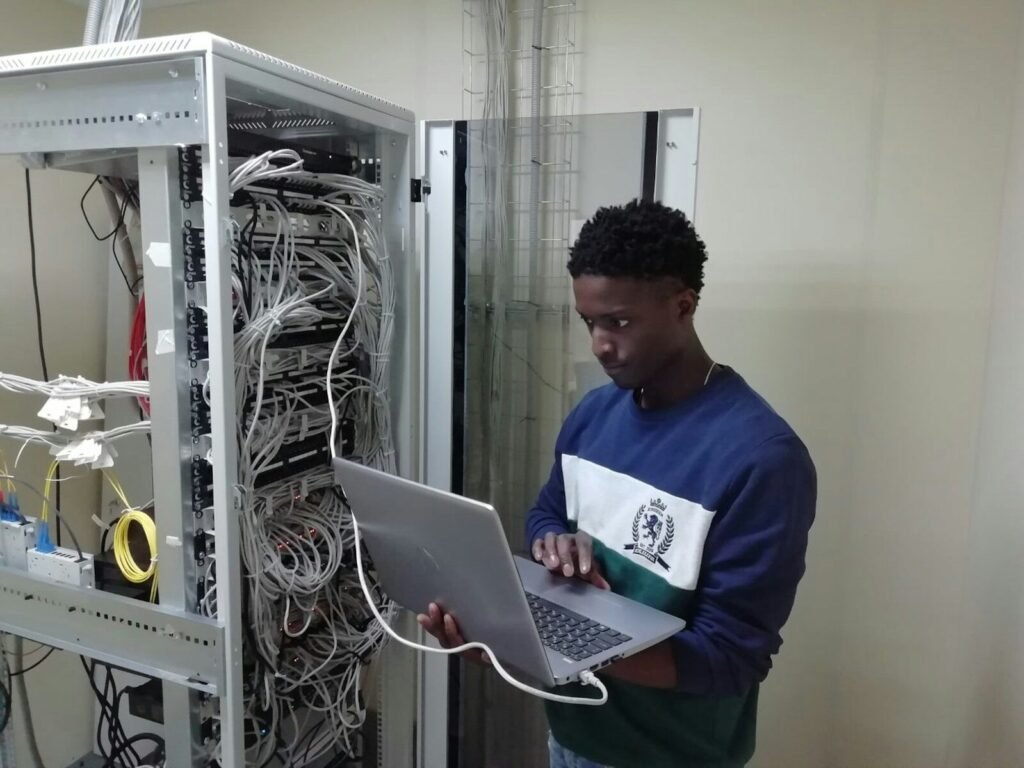
Organizations can protect sensitive data and keep customers and other stakeholders’ trust by using SQL-based security features.
Authentication and Access Control for Users
Managing user authentication and access control is one of the most important things that SQL does to keep databases safe.
Auntication
Authentication checks the identity of people who try to get into the database system. Administrators can make user accounts with secure login information like usernames and passwords in SQL-based database systems. Database administrators can use SQL commands to make users and set rules for how they log in to the database server, for instance.
Permission
After a user has been verified, authorization decides what they can do. SQL limits what users can do by using permission-based access control. Administrators can give or take away privileges like SELECT (reading data).
INSERT (add new records)
UPDATE (change data)
DELETE (take away data)
Organizations make sure that users can only do tasks that are relevant to their roles by controlling these permissions.
Role-Based Access Control (RBAC)
SQL databases also support Role-Based Access Control, which is another important security feature. Administrators make roles and give those roles permissions instead of giving each user permissions one at a time.
For instance:
A Database Administrator may be able to do anything with the database.
A Data Analyst might only be able to read data.
A Data Entry Operator might be able to add or change records, but not delete them.
People are given these roles based on what they need to do. This method makes it easier to manage security and lowers the chance of unauthorized access.
Data Integrity and Limits
For database systems to be safe, it’s important to keep data integrity. There are many ways in SQL to make sure that data stays accurate, consistent, and reliable.
These mechanisms are:
Main Keys
Every record in a table has a unique primary key. It stops duplicate entries and makes sure that each row has a different piece of information in it.
Keys from other countries
Foreign keys keep tables linked to each other. They make sure that the records that are related stay the same across all the tables in the database.
Limitations
Administrators can use SQL to set limits like:
- NOT NULL
- CHECK
- DEFAULT
- UNIQUE
These limits stop people from putting in bad or inconsistent data into the database, which helps keep the system’s integrity.
Data Protection and Encryption
Encryption is a very important security feature that keeps sensitive data safe in databases. Database systems that use SQL support encryption methods that keep data safe when it is not being used and when it is being sent.
Data encryption makes sure that even if someone who shouldn’t have access to the database files gets in, they can’t read the data without the right decryption keys.
Modern database systems like Microsoft SQL Server and Oracle Database support advanced encryption methods like:
Transparent Data Encryption (TDE)
• Encryption at the column level
• Secure communication protocols
These methods help businesses keep private information safe, like passwords, financial records, and personal data.
How to Protect Yourself from SQL Injection
SQL injection is one of the most common ways that hackers get into databases. This kind of attack happens when bad people put harmful SQL code into web app input fields to change how database queries work.
For instance, attackers might try to get around authentication systems or get secret information.
To stop SQL injection attacks, developers use things like: Parameterized queries.
• Prepared statement
• Input validation
• Stored procedures
These security measures make sure that user inputs are seen as data and not SQL commands that can be run.
Checking and Watching
SQL database systems also have features for auditing and monitoring that keep an eye on what happens in the database. Administrators can keep track of what users do, like Changes to data, running queries, and changing permissions.
These logs help companies find strange behavior and look into possible security breaches. Monitoring tools also let administrators find weaknesses and make sure that security rules and policies are being followed.
Ways to back up and restore data
Another important job of SQL in keeping database systems safe is making sure that data is always available through backup and recovery systems.
You can use SQL tools and commands to back up databases on a regular basis. If data is lost because of a system failure, a cyberattack, or an accidental deletion, administrators can get it back from backup copies.
Some backup strategies might be:
full database backups
Backups that happen in steps
Backups of transaction logs
These tools help keep businesses running and stop data loss from happening.
What SQL will do for database security in the future
As technology gets better, it gets harder to keep databases safe. More and more businesses are using cloud databases, distributed systems, and big data platforms.
Even with these changes, SQL is still an important tool for managing databases. Modern database systems are combining SQL with cutting-edge security tools like:
• AI for threat detection
• Automated security monitoring
• Cloud-based encryption services
• Multi-factor authentication
In the future, these new ideas will make SQL even better at protecting database systems.
Final Thoughts
So what are the final thoughts about the SQL ?
-
In conclusion, SQL is very important for keeping database systems safe because it has important security features like authentication, authorization, data integrity controls, encryption, auditing, and backup mechanisms. These features help businesses keep sensitive data safe from hackers, cyber threats, and accidental loss. Database administrators can protect important data’s privacy, integrity, and availability by following the right SQL security practices. SQL will always be an important tool for creating and keeping safe and reliable database environments as digital information grows and cyber threats get smarter.
Questions and Answers in Short
SQL (Structured Query Language) is a programming language that lets you work with and manage relational databases.
SQL has security features like access control, encryption, and auditing that keep database systems safe.
SQL injection is a type of cyberattack in which bad SQL code is put into input fields to change how database queries work.
It is a way to keep things safe by giving roles permissions instead of giving them to each user.
SQL has ways to back up and restore databases so that they can be used again after a failure or a cyberattack.
Estimated reading time: 7 minutes